
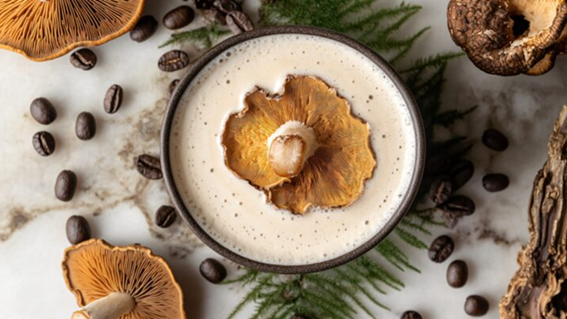
From stimulation to restoration: the next evolution of functional beverages
Key Takeaways
- Relaxation beverages represent a structural shift, not a trend – The category is emerging as a counterbalance to decades of stimulant-led functional drinks, reflecting a long-term reorientation toward stress management, sleep quality, and nervous system regulation.
- Demand is driven by lifestyle friction, not health claims – Growth is primarily fueled by “always-on” work culture, alcohol reduction, and poor sleep hygiene making relaxation beverages a behavioral solution rather than a medical one.
- Consumer willingness to pay is high, but tolerance for poor taste is low – Mental wellness commands premium pricing, yet repeat purchase is dictated more by flavor and mouthfeel than by ingredient sophistication.
- Ingredient credibility matters more than novelty – While CBD and adaptogens attract attention, mainstream adoption favors ingredients with moderate scientific backing, regulatory clarity, and consistent sensory performance.
- The category is moving from experimentation to consolidation – Early-stage innovation is being validated by large CPG entrants, signaling an upcoming phase of portfolio expansion, acquisitions, and brand rationalization.
Introduction
For decades, the functional beverage market was dominated by energy drinks designed to fuel productivity. Today, a counter-movement is gaining momentum: the rise of “anti-energy” or relaxation beverages. As consumers grapple with the “always-on” culture, sleep deprivation, and heightened stress, they are increasingly seeking liquid solutions not for stimulation, but for restoration. This explores the burgeoning sector of functional beverages designed to induce calm, improve sleep quality, and manage cortisol levels, framing it as the next frontier in the functional wellness economy.
Market Overview & Trends
The global relaxation beverages market is transitioning from a niche health food store offering to a mainstream retail category. Current valuations place the global market size at approximately USD 380 million, with projected growth at a CAGR of over 15% through 2030.
Key Market Drivers:
- The “Sober Curious” Movement: A significant demographic shift, particularly among Gen Z and Millennials, away from alcohol. These consumers seek non-alcoholic alternatives that still provide a functional “buzz” or relaxation effect without the hangover.
- Holistic Wellness Integration: Mental health is no longer viewed in isolation but as part of overall physical health. Beverages that claim to lower cortisol or aid sleep are now seen as essential dietary supplements.
- Format Diversification: Innovation is moving beyond tea bags into ready-to-drink (RTD) cans, functional shots, and powder mixes, increasing accessibility and convenience.
Consumer Behavior & Demographics
Understanding the consumer profile is critical for market entry. The primary consumer base for de-stresser beverages is distinct from the traditional energy drink demographic.
- Demographic:Millennials (ages 27-42) and Gen Z (ages 18-26). These cohorts report the highest levels of stress and are most willing to experiment with novel functional ingredients.
- Usage Occasions: Unlike energy drinks consumed in the morning or pre-workout, relaxation beverages are targeting the “transition moments” the end of the workday, post-dinner wind-down, or pre-sleep rituals.
- Value Proposition: Consumers are price-insensitive regarding mental wellness but highly sensitive to taste and “clean label” claims. There is a strong preference for low-sugar, natural formulations over chemically engineered sedatives.
Key Functional Ingredients
The efficacy of de-stresser beverages relies heavily on their active ingredients. We categorize these into three primary clusters:
Adaptogens
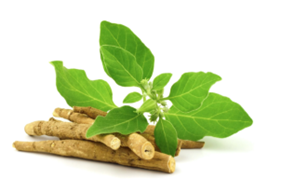
- Ashwagandha:The market leader in awareness. clinical studies suggest it lowers cortisol. It poses formulation challenges due to its bitter profile, often requiring masking agents.
- Holy Basil (Tulsi):Gaining traction for its gentler flavor profile and association with cognitive clarity alongside relaxation.
Amino Acids & Nootropics
- L-Theanine:Found in green tea, this amino acid is prized for promoting relaxation without drowsiness. It is frequently paired with low-dose caffeine for “calm focus.”
- GABA (Gamma-Aminobutyric Acid):A neurotransmitter that blocks impulses between nerve cells in the brain. While popular in Japan, its bioavailability in beverage format remains a topic of R&D debate.
Botanicals & Cannabinoids
- CBD (Cannabidiol):The most disruptive ingredient in the category. While regulatory landscapes differ wildly by region, CBD remains the “hero ingredient” for relaxation in permitted markets.
- Magnesium:Often marketed as the “chill mineral,” magnesium is seeing a resurgence in powder and sparkling water formats for its muscle-relaxing properties.
Major Market Players & Product Innovation
The competitive landscape is fragmented, characterized by agile startups disrupting the market before acquisition by major conglomerates.
- PepsiCo (Driftwell):A major strategic entry into the sleep-aid water category, utilizing L-Theanine and Magnesium. This signals mainstream validation of the sector.
- Recess:A leader in the sparkling water category, successfully branding magnesium and adaptogens as a lifestyle “antidote to modern times.”
- Kin Euphorics:Pioneers in the “social tonic” space, positioning their complex adaptogenic blends as sophisticated, non-alcoholic alternatives to cocktails for evening social occasions.
Challenges & Barriers to Growth
Despite the optimistic outlook, the sector faces substantial headwinds:
- Regulatory Compliance:The FDA and EFSA maintain strict guidelines on health claims. Brands cannot claim to “cure anxiety” or “treat insomnia” without classifying as a drug, limiting marketing language to vague terms like “unwind” or “balance.”
- Taste Formulation:Many active ingredients (e.g., Valerian Root, Ashwagandha) have unpalatable, earthy, or bitter flavor profiles. Masking these without excessive sugar is a significant R&D hurdle.
- Onset Time:Unlike caffeine, which provides a rapid physiological response, the effects of adaptogens are often cumulative or subtle. Managing consumer expectations regarding immediate gratification is a marketing challenge.
Conclusion
De-stresser beverages represent a sophisticated evolution of the functional drink market. They address a universal and growing consumer pain point stress with a solution that fits into existing lifestyle habits. While regulatory and formulation challenges persist, the brands that can deliver verifiable efficacy with a palatable sensory experience will secure long-term loyalty.
Recommendations for Stakeholders
- Anchor products to specific consumption moments: Avoid generic “anytime calm” positioning. Design offerings explicitly for transition moments such as post-work decompression, evening social occasions, or pre-sleep routines to improve repeat usage.
- Prioritize formulation-led differentiation over ingredient stacking: Invest in taste masking, sweetness modulation, and carbonation control before adding additional actives. Sensory acceptance is the primary scale barrier.
- Adopt conservative, compliant claim strategies early: Build brand trust by focusing on structure-function language (e.g., “supports relaxation” or “helps unwind”) and avoid claims that could trigger regulatory scrutiny as the brand scales.
- Design portfolios, not single SKUs: Treat relaxation as a platform opportunity. Over time, segment offerings by intensity, occasion, or format rather than relying on a single hero product.
- Prepare for mainstream channel expectations: As the category moves into mass retail, stakeholders should plan for tighter margins, standardized formulations, and greater scrutiny of efficacy, labeling, and consistency.