
From Shelf to Social: How Innovative Candy Packaging Is Transforming Sales in the $240B Market
Redefining Candy Sales Through Interactive Packaging Experiences
Key Takeaways
- Interactive packaging is now a primary sales lever, not a branding add-on – With shoppers spending ~8 seconds at shelf and 72% influenced by packaging design, interactive elements (QR, AR, tactile play) directly convert attention into purchase intent, accelerating impulse buying in a crowded aisle.
- Packaging has evolved into a media and content platform – Candy wrappers now function as mini digital billboards and content engines – triggering videos, games, AI experiences, and social sharing consumer engagement far beyond the point of sale.
- AI and personalization dramatically amplify virality and repeat purchases – Campaigns like Starburst’s generative-AI packs demonstrate that “every pack is different” experiences drive massive organic reach, social buzz, and double-digit sales growth, especially among Gen Z and Gen Alpha consumers.
- Physical interaction still matters especially for kids and families – Pop-ups, puzzles, transformable packs, and sensory features create tactile delight, encouraging longer interaction times, emotional bonding, and higher brand recall – key for family-oriented candy brands.
- Interactive packaging delivers measurable ROI, not just engagement metrics – Case studies show clear links between interactive packaging and business outcomes brand awareness lift, earned media value, loyalty, and year-on-year sales growth making it a defensible investment for FMCG leaders.
Introduction
In the crowded candy aisle, where shoppers make up their minds in just a few seconds, interactive packaging has become the secret weapon that actually gets candy into carts. It’s not just a wrapper anymore, it’s a mini billboard that grabs attention, sparks smiles, and triggers those irresistible “I want that” moments. By adding playful, touchable, or scannable surprises such as peel-and-reveal games, QR codes for instant videos, or packs that change color when you touch them. Top brands are turning casual browsers into eager buyers and one-time purchasers into loyal fans. This article breaks down exactly how these clever little features drive real sales growth, backed by solid data, eye-opening stats, and proven examples from the biggest names in candy.
In a global candy market expected to grow from $243 billion in 2023 to $331 billion by 2031, standing out is non-negotiable. With 72% of U.S. consumers admitting that packaging design directly influences their buying decision – and shoppers giving your product just 8 seconds of attention – innovative packaging has become one of the most powerful sales tools available.
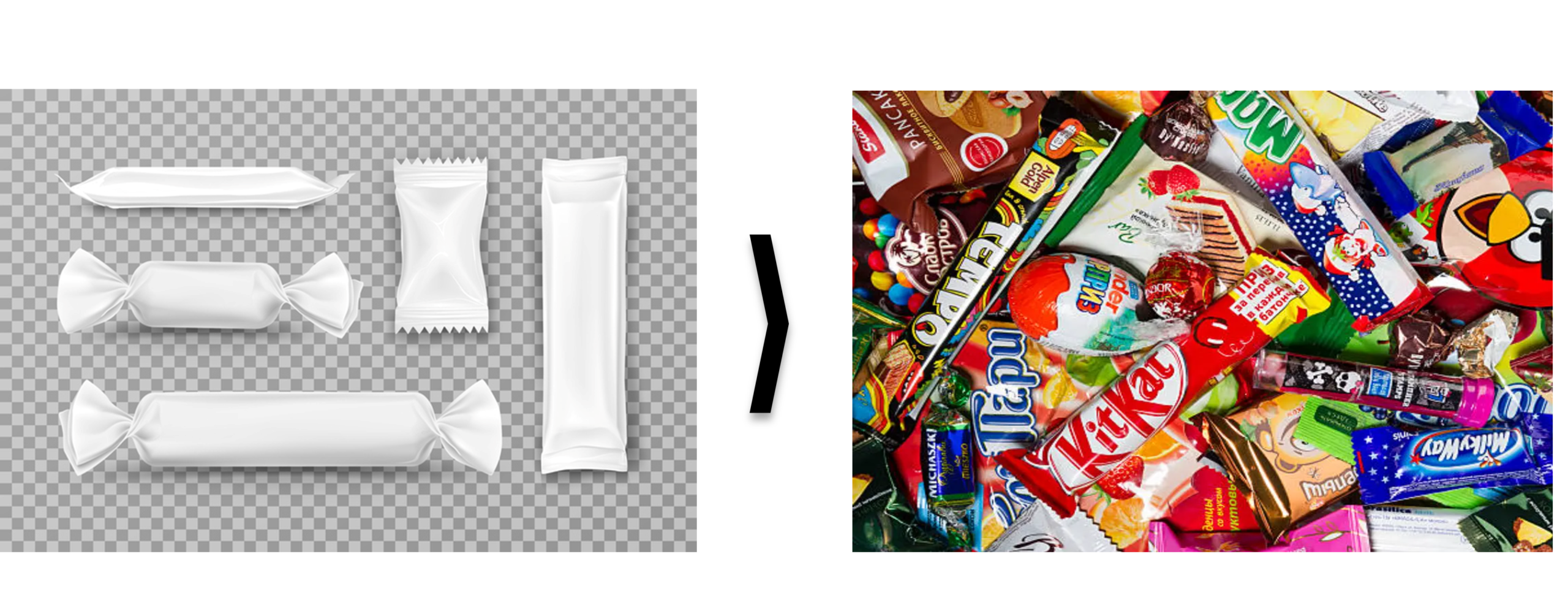
Types of interactive packaging for candies
Digital Interaction
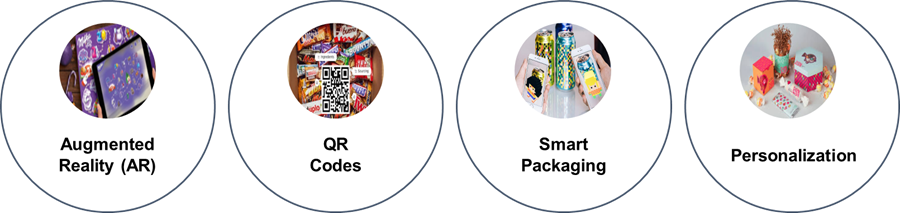
Interactive candy packaging turns sweets into playful experiences. Scan with AR for animated characters and games, use QR codes for videos and contests, tap smart packaging (NFC/sensors) for rewards and stories, or enjoy personalization with custom names and photos. These digital touches delight kids and adults, spark social sharing, and build stronger brand connections in just one bite.
Physical Interaction
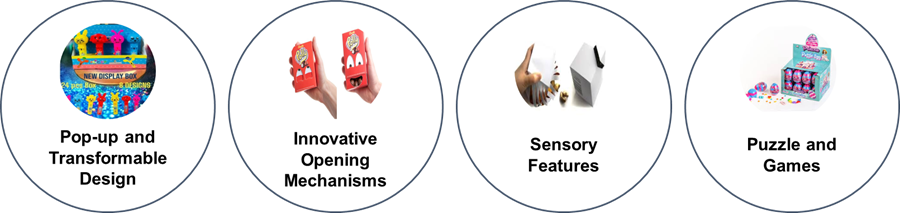
Interactive candy packaging also delights through physical play. Pop-up and Transformable Designs unfold into toys or scenes, Innovative Opening Mechanisms create surprise reveals, Sensory Features add sounds, glows, or scents when touched, and Puzzle and Games turn wrappers into mazes or collectible challenges. These tactile, engaging elements make every pack a mini adventure that kids (and adults) love to explore and share.
Beyond the Candy: How AI in Packaging is Winning Hearts and Feeds

Chupa Chups, a long-established lollipop brand in the UAE, wanted to strengthen its relevance among kids and families in a highly competitive confectionery market while navigating strict regulations on advertising to children.
Challenge: The brand needed a fresh and engaging way to reconnect with its core audience without relying on traditional kid-focused advertising channels. The objective was to leverage emerging technology to create a fun, imaginative, and brand-safe digital experience that would spark curiosity, encourage participation, and reinforce Chupa Chups’ playful brand identity while also driving measurable awareness, engagement, and sales growth.
Strategy: The campaign introduced the “AI World of Lollipops,” an interactive platform that allowed children to bring their imaginative ideas to life using AI-powered text-to-image generation in a secure and brand-controlled environment. The experience was designed with strict safety filters to ensure child-appropriate content and was promoted primarily to parents across social platforms, gaming environments, and digital touchpoints, with additional support from residential digital OOH screens. The platform hosted thousands of playful creations and was further strengthened through incentives such as themed birthday experiences and a family trip giveaway, making participation exciting, rewarding, and highly shareable.

Impact: The campaign generated strong engagement and business impact, attracting hundreds of thousands of platform visits and resulting in tens of thousands of AI-generated creations from participating families. This led to significant lifts in brand awareness and positive sentiment, with audiences responding enthusiastically to the creative and interactive experience. Beyond engagement metrics, the initiative contributed to notable year-on-year sales growth and reinforced Chupa Chups’ position as an innovative, playful, and culturally relevant brand, successfully blending technology, creativity, and consumer connection within a challenging regulatory environment.
Similarly, In 2024, Starburst (Mars Wrigley) faced the challenge of keeping a 60-year-old candy brand exciting for Gen Z and Alpha audiences who crave personalization and shareable moments.
Challenge: The goal was simple yet ambitious: turn the everyday act of opening a pack of candy into a unique, social-media-worthy experience that would reignite buzz and reverse stagnant growth in core markets (US, UK, Australia). By embedding generative AI directly into the packaging, Starburst aimed to deliver the world’s first truly “different every time” candy pack and spark massive organic recognition.
Strategy: Starburst printed a unique, dynamically generated QR code on the inner film of every limited-edition 12-piece Share Size pack the part consumers tear open and usually throw away. Scanning the code instantly launched a mobile experience powered by Runway ML that created a personalized 15-second animated video celebrating “479 million ways to enjoy this exact pack,” weaving in the user’s name, flavor mix, bite order, and mood. One-tap sharing to TikTok, Instagram Reels, and Snapchat, plus an AR lens for throwing the pack into real-world videos, turned every unboxing into instant content. Real-time user videos appeared on giant screens in Times Square and London Piccadilly, while Spotify playlists personalized from the same code completed the ecosystem transforming disposable packaging into a personal AI content studio.
Impact: Within six weeks, the campaign exploded: over 42 million QR scans, 18 million user-generated videos shared, and more than 1.2 billion organic impressions. #DifferentEveryTime trended #1 on TikTok US for 48 hours straight, earned media value soared 263% above paid spend, and Share Size pack sales jumped 28% year-on-year in participating markets. The campaign won a Gold Lion at Cannes 2024 and proved that even the smallest piece of FMCG packaging can become a global viral engine when powered by generative AI, turning millions of candy eaters into voluntary brand ambassadors overnight.
Conclusion
In the $240B+ confectionery market set to hit $331B by 2031, innovative interactive packaging has become essential for standing out. From physical surprises like pop-ups and sensory features to digital delights such as QR-driven AR and AI personalization, it captures attention, sparks joy, and drives impulse buys. Successes like Chupa Chups’ family engagements and Starburst’s 28% sales lift prove these elements build loyalty, virality, and growth—turning every wrapper into a powerful brand ambassador.
Recommendations for Stakeholders
- Candy & Confectionery Brand Owners: Responsible for driving differentiation, shelf conversion, and brand relevance in a highly competitive $240B+ market.
- Packaging Design & Innovation Teams: Develop the physical and digital interaction layers structure, materials, graphics, QR/AR integration—that turn packaging into an experience.
- Technology Partners (AI, AR, NFC, QR, Platform Providers): Enable scalable personalization, content generation, analytics, and secure child-safe digital interactions embedded within packaging.
- Retailers & Channel Partners: Benefit from higher shelf engagement, faster inventory turnover, and increased basket size driven by impulse-friendly interactive packs.
- Consumers: End users who gain entertainment, personalization, and shareable moments becoming active participants and organic promoters of the brand.