
Smart Wearables as the Backbone of Predictive Pet Health
Key Takeaways
- Pet wearables are transitioning from monitoring devices to decision-support systems – The market is moving beyond GPS and activity tracking toward AI-driven interpretation of physiological, behavioral, and emotional signals fundamentally changing the role of wearables in pet care.
- Predictive health intelligence is becoming the primary value driver – Continuous vital monitoring combined with machine learning enables early detection of pain, stress, and disease, shifting care from symptom response to preventive intervention.
- Emotional analytics represents the next differentiation frontier – Advances in bioacoustic analysis and multimodal AI are enabling real-time interpretation of pet emotions, creating a new layer of value beyond physical health metrics.
- Integrated ecosystems outperform standalone devices – The highest-impact solutions aggregate data across collars, feeders, water systems, and litter boxes unlocking pattern recognition that individual devices cannot achieve alone.
- Clinical and telehealth integration accelerates trust and adoption – Wearables that connect directly with veterinarians and telehealth platforms move from “consumer gadgets” to credible health infrastructure within the pet care ecosystem..
Introduction
The pet wearables market has reached a profound inflection point, one that will forever redefine the essence of pet guardianship. first-generation devices provided only basic GPS tracking and simple activity monitoring, we are now witnessing a revolutionary shift fueled by converging advances in artificial intelligence, satellite connectivity, and bioacoustic analysis. These groundbreaking technologies are elevating devices from mere tools into intelligent companions, delivering real-time insights into pets’ physical health, emotional well-being, and unspoken needs. Passive observation is giving way to proactive, deeply empathetic care ushering in an extraordinary new era of human-animal connection that promises stronger bonds, earlier interventions, and healthier, happier lives for our beloved pets.
Shifting the Pet Care Paradigm: From Reactive to Predictive
Shifting from a reactive to a proactive mindset in dog care means focusing on prevention and early detection rather than waiting for symptoms to appear. As highlighted in K9 Basics’ blog series on transforming dog health, proactive care empowers owners to manage diet, exercise, environment, and wellness exams laying a strong foundation for a longer, healthier life.
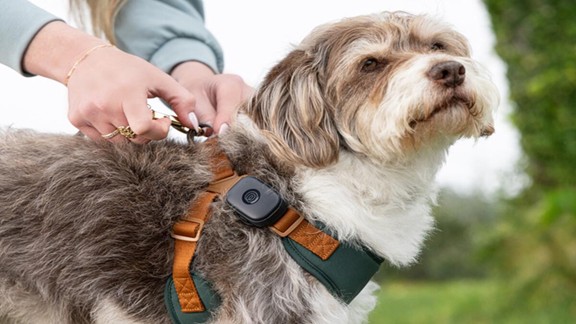
In 2025, this approach is more achievable than ever with advanced pet wearables. These smart collars go beyond basic tracking, using sensors for GPS, activity, heart rate, temperature, and respiration to monitor vital signs continuously. AI analytics spot subtle changes early, like reduced activity or elevated heart rate, alerting you via apps before issues escalate.
Devices like PetPace or Maven provide clinical-grade insights, integrating with vets for personalized plans and even telehealth. Combined with regular checkups, nutrition, and training, wearables help catch problems predictively aligning perfectly with trends toward proactive wellness seen across the pet industry this year.

Emotional Intelligence: Beyond Physical Health to Mental Wellness
The Innovation: Real-Time Emotional Translation
- The most significant breakthrough comes from Traini’s Cognitive Smart Collar, which just secured $7.5 million in funding. This isn’t another activity tracker it’s the world’s first device that translates pet emotions into human language in real-time using multimodal generative AI.

What Makes This Different:
- 94% emotion translation accuracyacross 120+ dog breeds using their proprietary PEBI (Pet Empathic Behavior Interface) system
- Valence-Arousal modelingtrained on behavioral data from 2+ million dogs and 900+ peer-reviewed animal behavior studies
- Autonomous emotional state tracking: joy, anxiety, excitement, and distress translated into conversational human language
- Multimodal fusion: Combines vocalization analysis, facial expressions, heart rate, temperature, and body movement
AI-Driven Pain Detection & Integrated Telehealth

- PetPace V3.0 represents a decade of clinical research culminating in the first smart collar that combines AI-driven pain detection with 24/7 free telehealth access to licensed veterinarians.
- AI-powered pain detection algorithm analyzes subtle changes in vital signs to identify discomfort before visible symptoms appear
- Epilepsy monitoring with real-time seizure detection and alerts
- Apple Watch integration allows pet owners to monitor their pet’s health from their wrist
- Live data sharing with veterinarians for remote examinations and treatment guidance
- Continuous vital sign tracking: heart rate, temperature, and respiration monitoring
Bioacoustic Analysis: Decoding the Language of Vocalizations
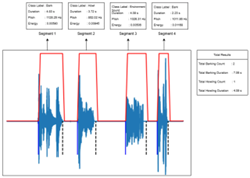
- Moving beyond simple bark detection, bioacoustic analysis uses AI to understand the acoustic signatures of pet vocalizations frequency, pitch, duration, and pattern variations that signal specific emotions or health states.
- Spectrogram comparison methodology: Compares pet vocal patterns against human emotional speech patterns to map corresponding emotional states
- Deep learning architectures trained on massive vocalization datasets across species, breeds, and contexts
- Real-time interpretation converts barks, whines, and growls into actionable insights
- Multi-task valence-arousal modeling for continuous emotional state assessment
AI Ecosystem Integration: Connected Pet Care Platforms

- Companies like PETKIT showcased AI ecosystems where multiple devices work together—smart feeders, water fountains, and litter boxes sharing data to create holistic health profiles.
- Cross-device pattern recognition: Changes in water consumption + reduced food intake + litter box frequency = early UTI detection
- Automated health alerts: AI synthesizes data from multiple touchpoints to identify anomalies
- Predictive analytics: Machine learning predicts health issues before clinical symptoms emerge
- Unified dashboard: Single interface for managing all pet devices and health data
- Interconnected intelligence: Devices communicate to provide comprehensive health insights
Recommendations for Stakeholders
- Reposition wearables as predictive health platforms, not accessories: Shift messaging and product strategy away from tracking features toward early detection, risk scoring, and actionable health insights that support veterinary decision-making.
- Invest in AI explainability and confidence signaling: As emotional and pain-detection algorithms mature, transparency around accuracy, validation, and clinical relevance will be critical to build long-term user and veterinarian trust.
- Design products around life-stage and risk segmentation: Tailor solutions for puppies, adult pets, senior pets, and chronic-condition monitoring rather than pursuing one-size-fits-all devices.
- Build or partner into connected pet-care ecosystems: Competitive advantage will increasingly come from cross-device data integration and platform orchestration, not hardware alone.
- Prepare for regulatory and ethical scrutiny of pet emotion AI: As emotional translation and behavioral prediction scale, stakeholders should proactively establish data governance, ethical AI standards, and clinical validation pathways.